Best Yoga Mat Thickness for Sensitive Knees and Joints
Quick Answer: For sensitive knees and joints, a mat in the 6mm-8mm thickness range offers meaningfully more cushioning than the standard 3-4mm mat without sacrificing too much floor stability — beyond about 8mm, balance-dependent poses start to feel noticeably less stable for most practitioners.
A thin travel mat that’s perfect for balance poses can be genuinely painful during extended kneeling or seated work. The right thickness is a real tradeoff, not just a preference.
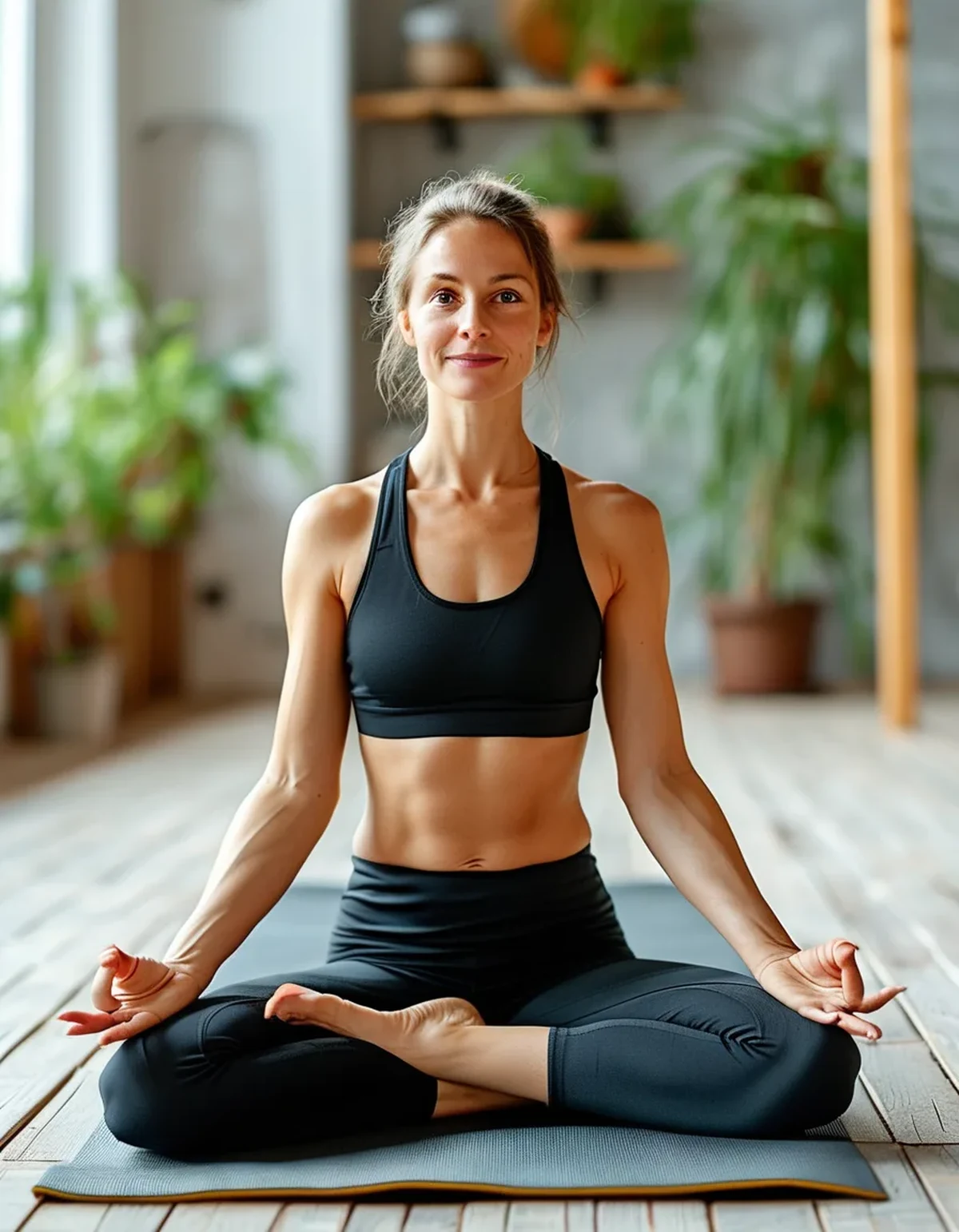
Why does standard mat thickness cause knee pain in the first place?
Most standard mats run 3-4mm thick, offering minimal cushioning between your kneecap and a hard floor. During extended kneeling poses (like camel or low lunge holds), that thin layer isn’t enough padding for a joint that’s already sensitive, leading to genuine discomfort or bruising over a session.
What’s the actual sweet spot thickness range?
6mm to 8mm balances real cushioning improvement with acceptable floor stability for most practitioners. This range noticeably reduces knee and joint pressure compared to a standard mat while still allowing reasonably stable balance poses.
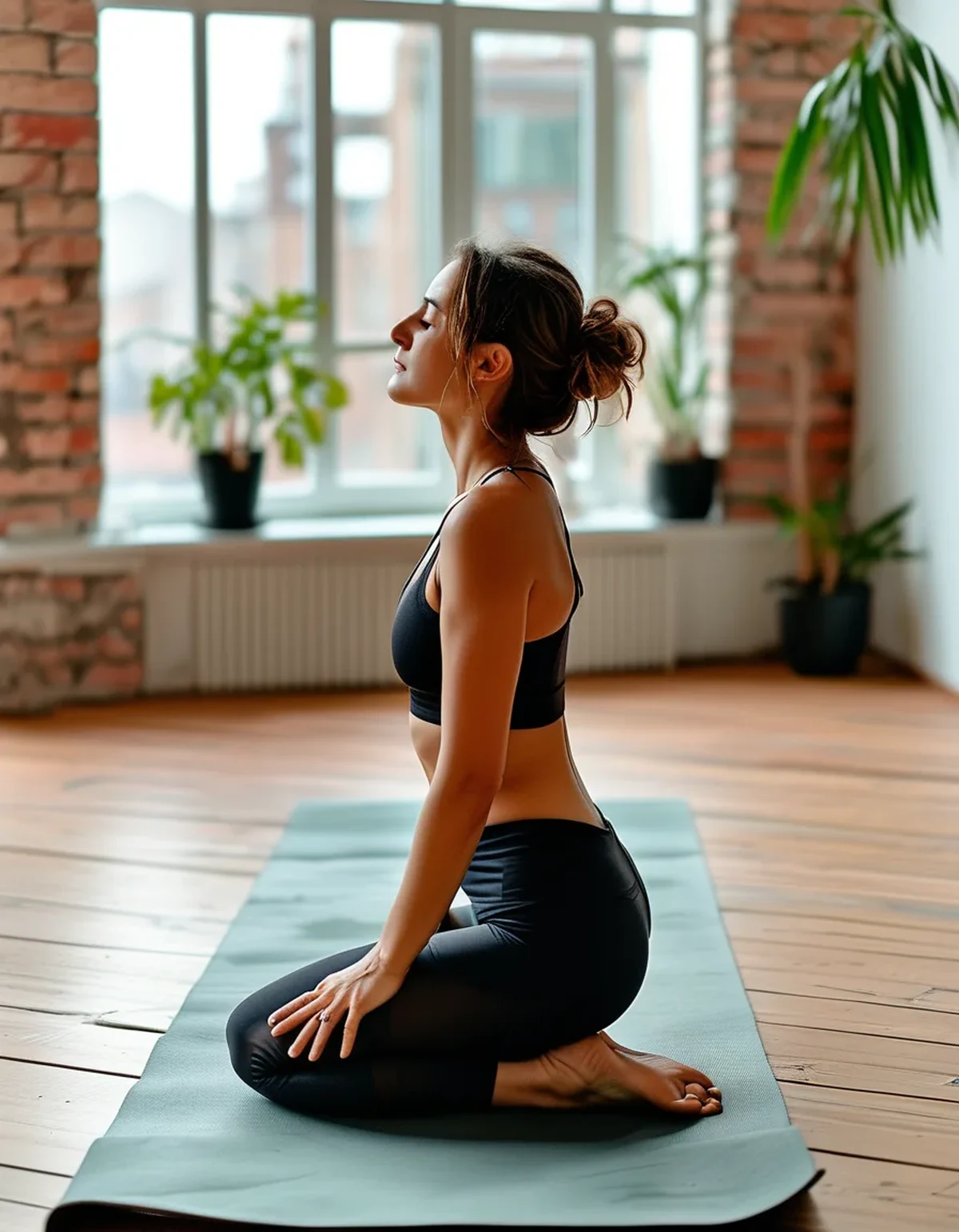
Does going thicker than 8mm cause new problems?
For many people, yes — beyond roughly 8-10mm, the mat’s give starts to compromise balance in standing poses, since your foot sinks slightly into softer material instead of pressing against a firm surface. This can actually feel less stable for poses like tree pose or warrior series.
5 Mistakes Everyone Makes Choosing Mat Thickness for Joint Pain
1. Going straight to the thickest available mat, sacrificing balance-pose stability unnecessarily.
2. Assuming thickness alone solves knee pain without checking the density and material — a soft, low-density thick mat can still feel unsupportive.
3. Not using a separate knee pad for specific poses instead of committing to one thick mat for the whole practice.
4. Choosing based on price rather than joint-specific cushioning needs.
5. Ignoring that mat material affects perceived cushioning as much as raw thickness — denser foam feels different from the same thickness in a softer material.
FAQ: Yoga Mat Thickness for Joints, Answered
Is a separate knee pad a better solution than a thicker full mat?
For practices with mostly standing poses and a few kneeling moments, yes — a knee pad targets the specific need without compromising balance for the rest of the session.
Does mat material matter as much as thickness for knee comfort?
Yes — a denser, higher-quality foam at 6mm can feel more supportive than a low-density foam at 8mm, so material quality matters alongside the thickness number.
Will a thicker mat work for hot yoga or more dynamic styles?
Generally less ideal — dynamic styles with quick transitions and standing balance benefit from a firmer, thinner mat, so a thicker joint-friendly mat is better suited to slower, floor-focused practices like yin or restorative.
TL;DR:
- Standard 3-4mm mats often aren’t enough cushioning for sensitive knees during extended kneeling
- 6mm-8mm is the sweet spot balancing real cushioning with acceptable balance-pose stability
- Beyond 8-10mm, softness starts to compromise standing balance for most practitioners
- A separate knee pad can be a better fix than a fully thick mat if your practice is mostly standing poses
See It in Motion
Seen here: Round Neck Long Sleeve Athletic T-Shirt — shop it on bubblelime.com
Keep Reading
This article is for general informational and styling purposes only. Fit, sizing, and product availability may vary.