Why Your Hands Keep Slipping on Your Yoga Mat (Even a 'Grippy' One)
Quick Answer: Hand slipping usually isn’t the mat’s overall grip failing — it’s sweat pooling on the mat’s surface texture faster than it can wick away, which even high-grip mats struggle with during hot or intense practice.
The reviews all praised the grip. Your first few sessions felt solid. Then a sweatier class hit and suddenly your palms are sliding out from under you mid-flow — and it feels like the mat lied.
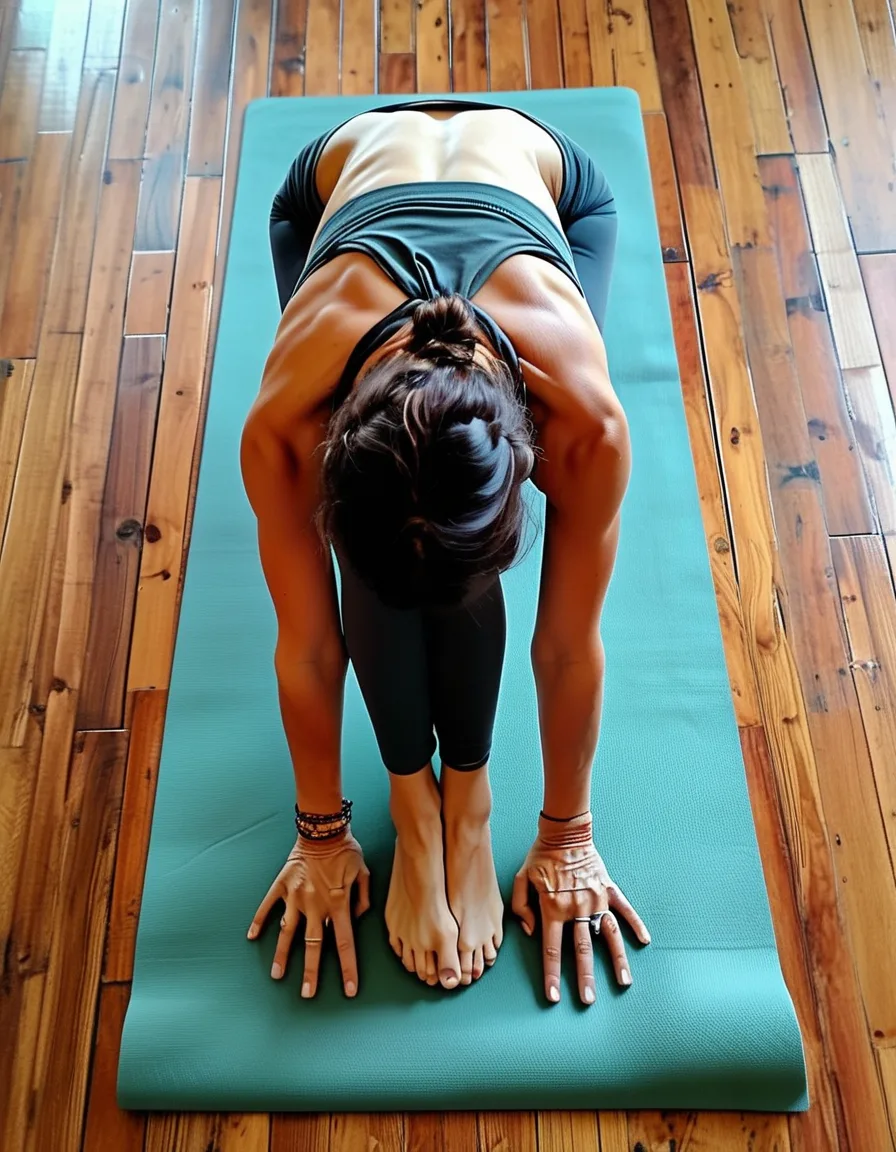
Why does a grippy mat suddenly stop gripping once you’re sweating?
Most mat grip technology relies on surface texture creating friction with dry or lightly damp skin — once sweat pools rather than absorbs, it creates a thin liquid layer between your palm and the mat that texture alone can’t overcome.
This is why the same mat can feel completely secure in a gentle class and treacherous in a hot or vinyasa-paced one — it’s not really the mat changing, it’s the moisture level exceeding what the surface can manage.
Does mat material actually matter here, or is it all the same?
It matters significantly — closed-cell PVC and rubber mats tend to get slicker when wet since they don’t absorb any moisture, while open-cell natural rubber and polyurethane-topped mats actively absorb sweat into the surface, maintaining grip as you sweat rather than pooling it.
If you sweat heavily, an open-cell or PU-top mat genuinely outperforms closed-cell options for hand grip, even if the closed-cell mat felt just as grippy dry in the store.
5 Mistakes People Make Chasing Better Grip
Mistake 1: Buying based on dry-hand store test only. A mat can feel perfectly grippy dry and fail entirely once you’re actually sweating.
Mistake 2: Using a mat towel that itself gets slippery when wet. Not all grip towels are equal — cheap ones can be worse than the bare mat.
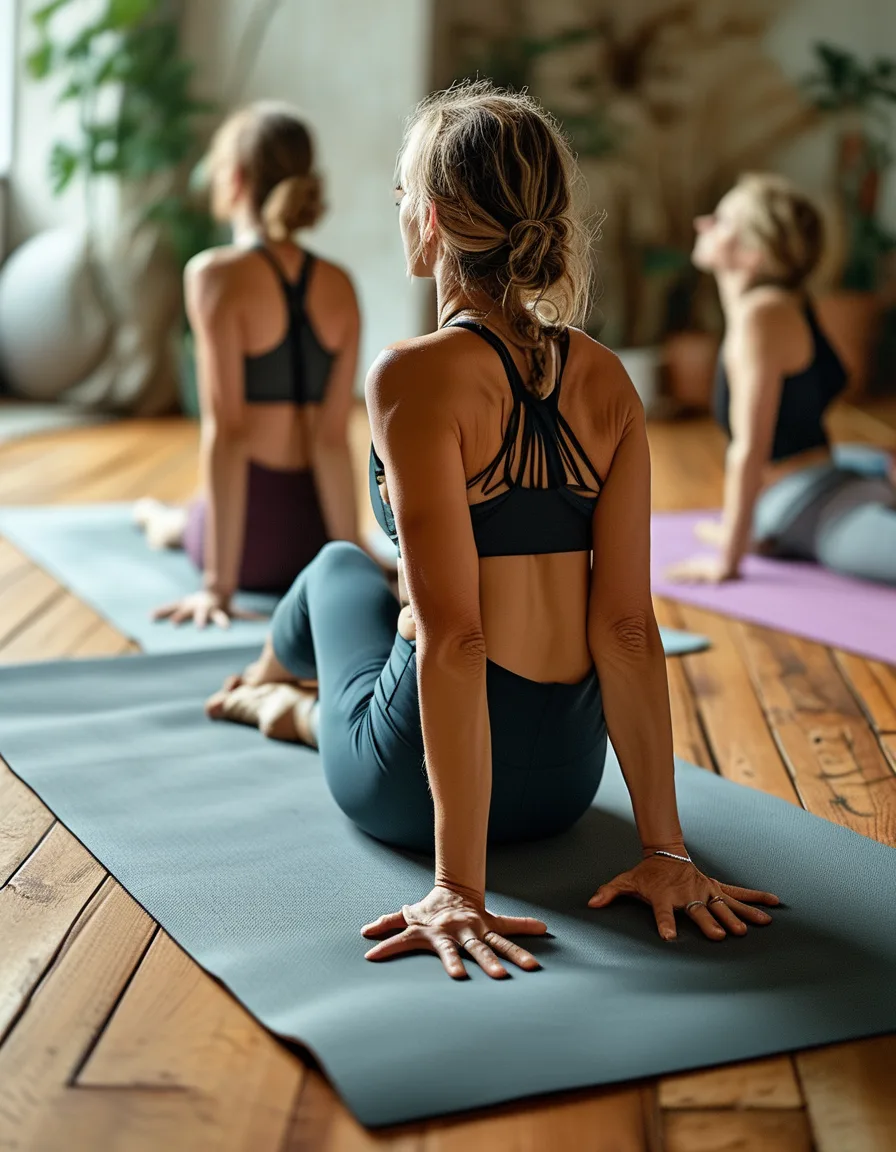
Mistake 3: Ignoring hand placement technique. Spreading fingers wide and pressing through the whole palm (not just heel of hand) distributes pressure and improves actual grip.
Mistake 4: Not cleaning the mat regularly. Built-up sweat residue and oils from skin actually reduce a mat’s grip performance over time.
Mistake 5: Assuming thicker means grippier. Thickness affects cushioning, not surface grip — they’re unrelated properties.
Do grip-enhancing towels actually solve this?
A quality yoga towel designed specifically for hot or sweaty practice — with a textured, moisture-wicking surface — genuinely solves the problem for most people, since it actively pulls sweat away rather than letting it pool on a single surface layer.
The key word is quality — a basic bath towel or cheap towel without grip texture can actually make sliding worse by adding a smooth wet layer of its own.
FAQ: Yoga Mat Grip Questions, Answered
Will chalk help with hand slipping on a yoga mat?
Yes, liquid or powder chalk (used in climbing) can help absorb excess moisture on hands specifically, though it’s a less common solution in most yoga studios than a grip towel.
How often should I clean my mat to maintain grip?
Wiping down after every sweaty session and a deeper clean weekly helps prevent oil and residue buildup that gradually degrades grip performance.
Is a slipping mat a sign I need to replace it?
Not necessarily — if it’s a closed-cell mat, the slipping may just be inherent to hot practice on that material, not a defect meaning it needs replacing.
TL;DR:
- Hand slipping usually comes from sweat pooling faster than the mat surface can manage, not overall grip failure
- Open-cell rubber and PU-top mats absorb sweat better than closed-cell PVC options
- A quality moisture-wicking grip towel solves this for most sweaty practitioners
- Regular cleaning prevents oil buildup from further reducing grip over time
The mat probably isn’t broken — it just needs help managing sweat the way your specific practice demands.
See It in Motion
Seen here: High Waist Bootcut Yoga Pants with Pockets — shop it on bubblelime.com
Keep Reading
This article is for general informational and styling purposes only. Fit, sizing, and product availability may vary.