Does Your Yoga Mat's Color Actually Affect Heat Retention in Hot Yoga?
Quick Answer: Mat color has a real but minor effect on surface temperature — darker mats absorb slightly more radiant heat in a hot yoga room, especially near windows or heaters, while material and thickness affect heat retention and grip far more significantly than color alone. If heat sensitivity is a concern, prioritize mat material over color.
A dark mat that feels noticeably warmer under your hands in a heated studio isn’t just in your head — but the effect is smaller than material choice, which matters more for both heat and grip in a hot yoga setting.
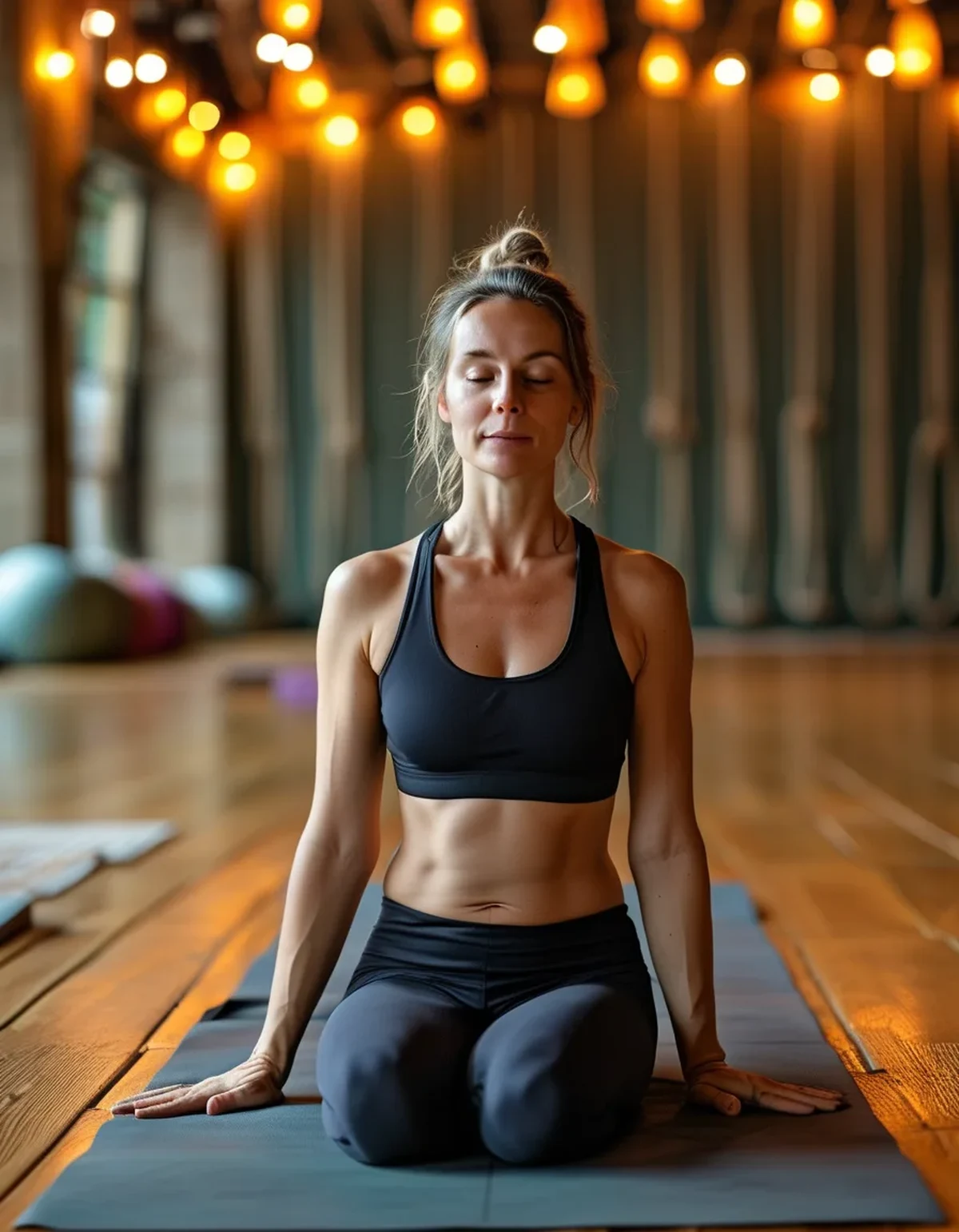
Does yoga mat color actually make a measurable temperature difference?
Yes, to a modest degree — darker colors absorb more radiant heat from studio lighting and heaters, while lighter colors reflect more of it, similar to the well-established effect of dark versus light clothing in direct sun. In a hot yoga room specifically, this can translate to a mat surface that feels a few degrees warmer to the touch, though the difference is generally secondary to the room’s overall heat and humidity.
What actually matters more than color for heat and grip in hot yoga?
Mat material is the bigger factor. Closed-cell mats (like standard PVC) don’t absorb sweat and can become slippery as moisture pools on the surface in a heated, humid room, while open-cell rubber or specifically designed hot-yoga mats absorb moisture and actually improve grip as you sweat, which matters far more for practice safety and comfort than surface color.
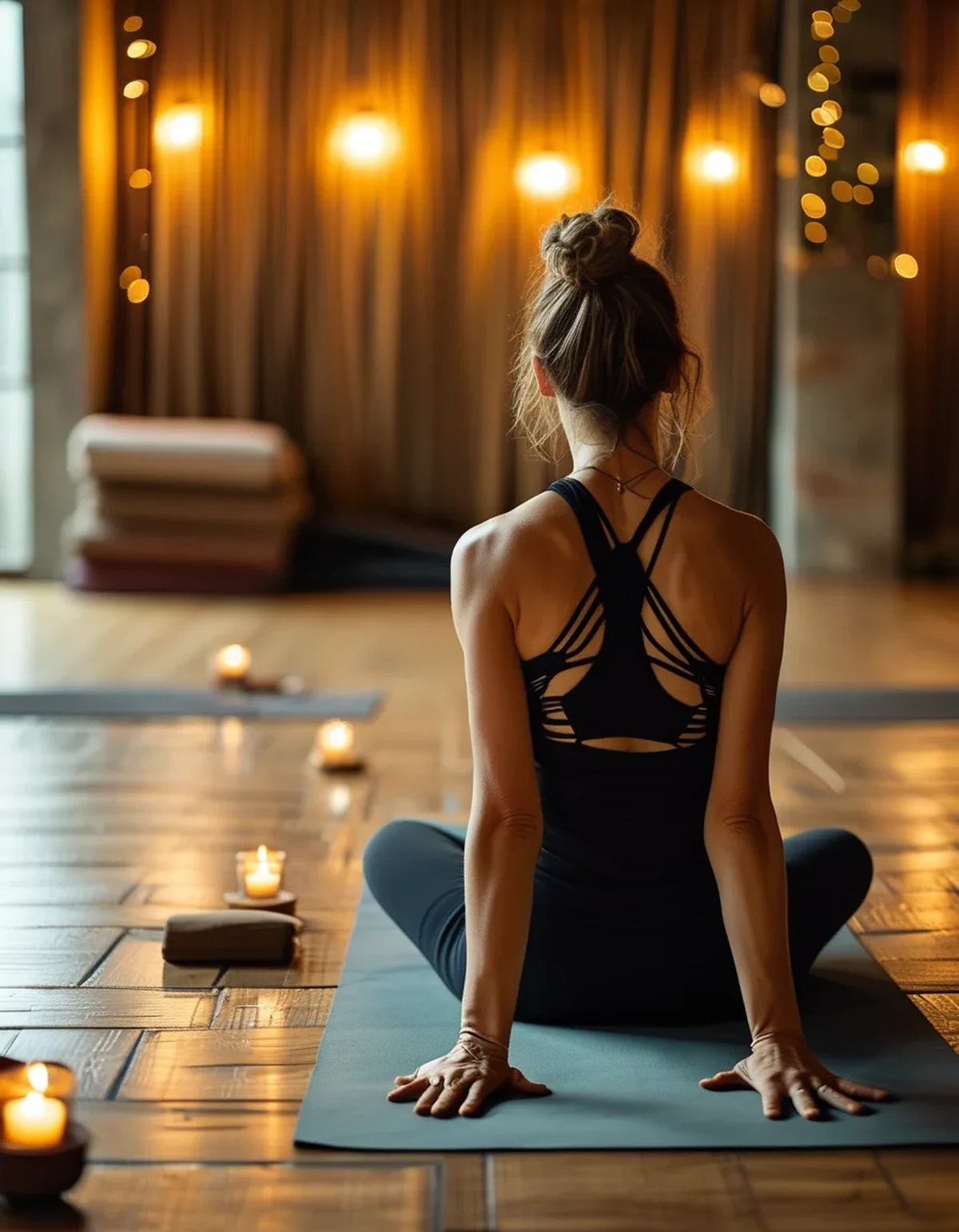
Does mat thickness interact with heat in a hot yoga room?
Somewhat — thicker mats provide slightly more insulation from a heated floor, which can matter in a studio using radiant floor heating specifically, though this is a smaller factor than material type for most modern hot yoga setups that rely primarily on room air temperature rather than floor heating.
Myth vs Fact: Yoga Mat Color and Hot Yoga
Myth: Mat color is the main factor in how hot your mat feels during hot yoga. Fact: Material (open-cell vs. closed-cell) affects both heat and grip far more significantly than color, which is a secondary, smaller effect.
Myth: A light-colored mat guarantees better grip in a heated room. Fact: Grip in hot yoga depends primarily on material’s moisture-handling properties, not color — a light-colored closed-cell mat can still become slippery as sweat accumulates.
FAQ: Yoga Mat Color and Heat, Answered
Should I specifically avoid dark-colored mats for hot yoga?
Not necessarily — the color effect is minor. Prioritize an open-cell or hot-yoga-specific material first; color can be chosen based on preference without significant practical downside.
Does mat color affect durability in a heated room over time?
Not directly through heat absorption alone, though very dark mats in direct, intense studio lighting may show slightly faster surface wear from repeated heat exposure over years of regular use.
What mat material is generally best for hot yoga specifically?
Open-cell rubber or mats specifically marketed for hot yoga, which are designed to absorb sweat and improve grip as a session progresses, rather than becoming more slippery.
TL;DR:
- Mat color has a real but modest effect on surface heat — darker mats absorb slightly more
- Material (open-cell vs. closed-cell) matters far more for both heat and grip in hot yoga
- Thickness offers minor extra insulation, mainly relevant with radiant floor heating
- Choose material first for hot yoga performance; color is a secondary preference
If your mat feels too hot or too slippery in a heated room, check the material before assuming color is the main culprit.
See It in Motion
Seen here: High Waist Yoga Leggings with Inner Pocket — shop it on bubblelime.com
Keep Reading
This article is for general informational and styling purposes only. Fit, sizing, and product availability may vary.