Why a Yoga Mat's Grip Fades From Cleaning Method More Than From Age
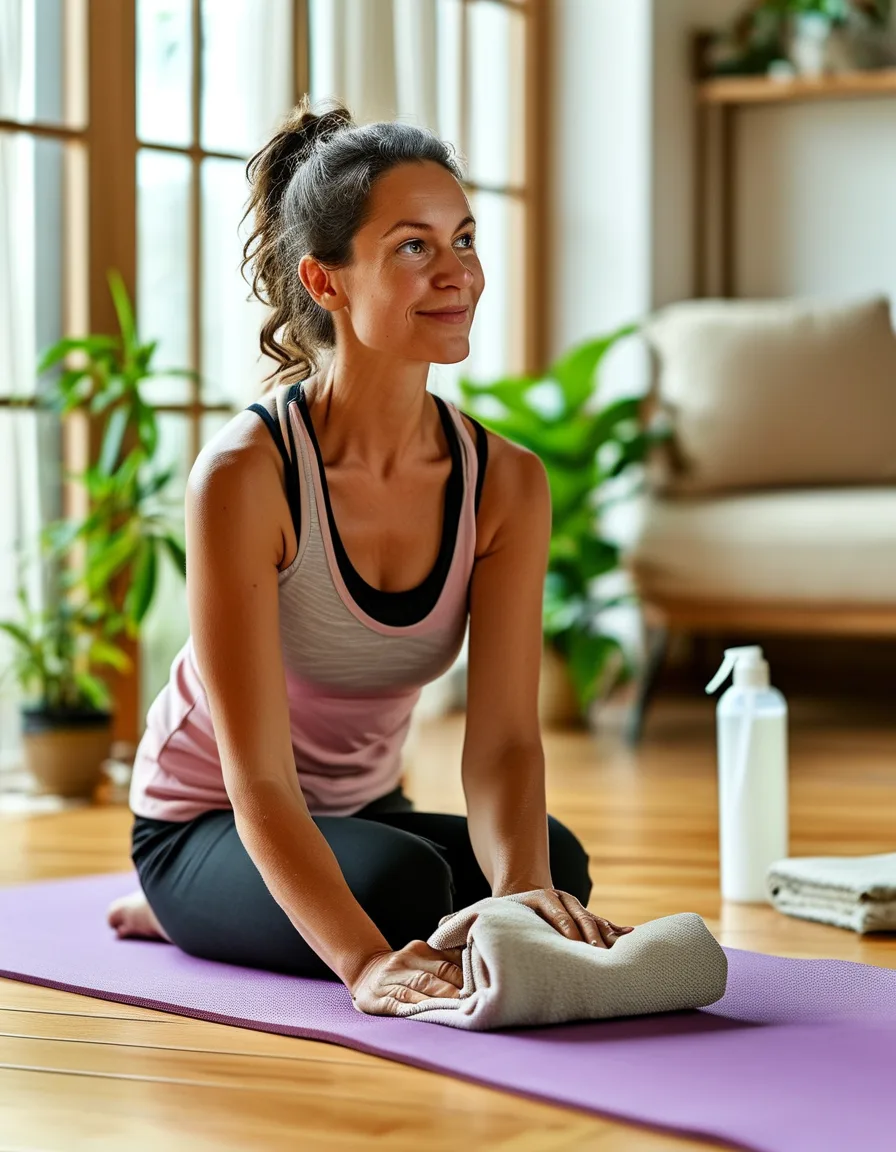
A yoga mat that’s become noticeably more slippery over a few months often gets blamed on general wear and aging, when the actual cause is frequently the cleaning product being used on it, since several common household cleaners break down the specific surface texture responsible for grip faster than regular practice ever would.
Why Certain Common Cleaning Products Break Down Mat Surface Texture Faster Than Normal Use Does
The cleaning-degradation mechanism: the mat-grip-comes-from-a-microscopic-surface-texture-or-coating-engineered-into-the-material-not-just-the-base-material-itself (the the actual grip-producing feature being a surface-level property distinct from the mat’s bulk material — the grip-comes-from-microscopic-surface-texture-not-bulk-material), the the-alcohol-based-or-harsh-chemical-cleaners-can-strip-or-degrade-that-surface-coating-with-repeated-use (the specific common cleaning ingredients directly attacking the exact feature responsible for traction — the alcohol-based-cleaners-strip-surface-coating), the the-this-degradation-happens-gradually-over-many-cleaning-cycles-making-it-easy-to-misattribute-to-general-aging-instead (the the cumulative, slow nature of the damage looking identical to normal wear from the outside — the gradual-cleaning-damage-misattributed-to-aging), and the reframe (a slippery mat frequently reflecting what it’s been cleaned with rather than simply how long it’s been used or how old it is).
The Specific Cleaning Approach That Preserves Grip Longest
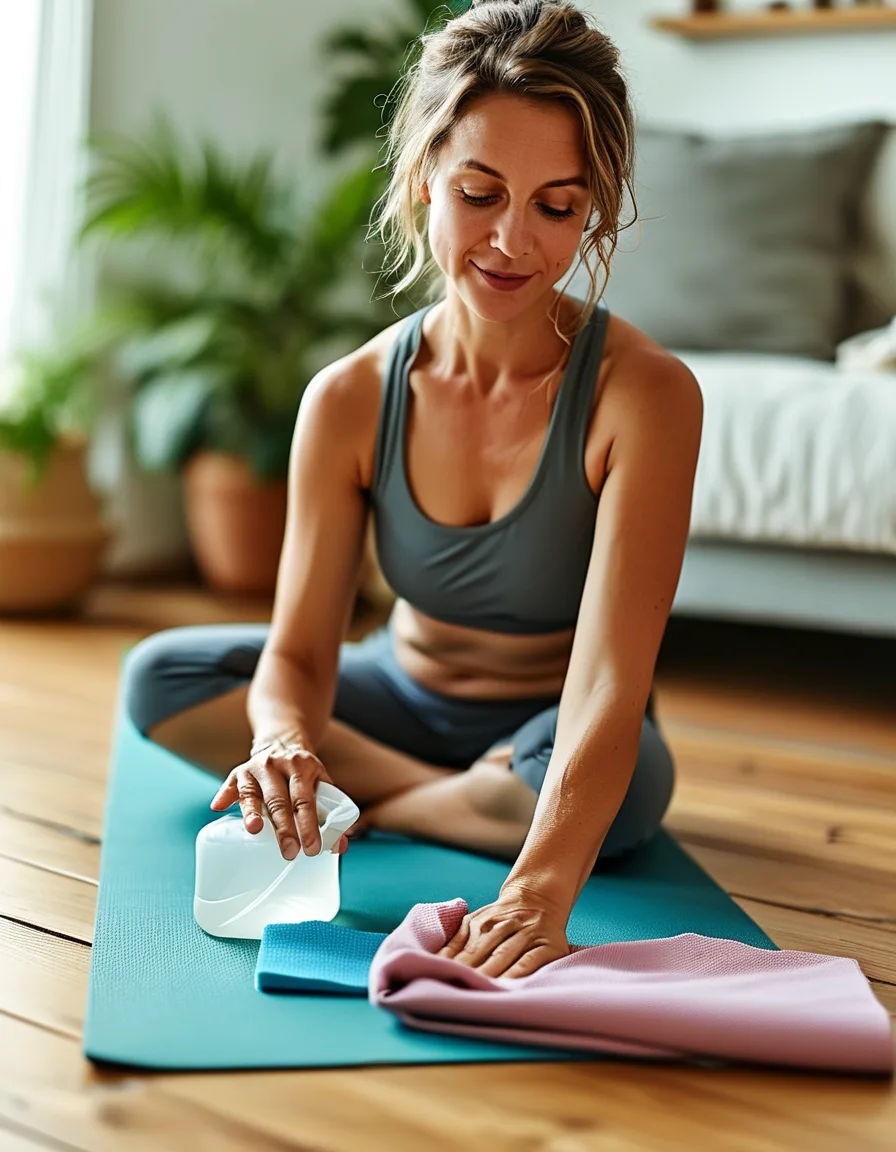
The actual approach: the use-a-mild-ph-neutral-cleaner-specifically-formulated-for-yoga-mats-rather-than-general-household-cleaning-spray (the a formula designed not to interact with the specific surface coating rather than a generic all-purpose product — the use-mat-specific-ph-neutral-cleaner-not-general-household-spray), the the-avoid-alcohol-based-sanitizing-wipes-or-sprays-for-routine-cleaning-even-though-theyre-convenient (the a common convenient choice that directly conflicts with preserving the surface coating over time — the avoid-alcohol-wipes-for-routine-cleaning-despite-convenience), the the-wipe-gently-rather-than-scrubbing-vigorously-since-friction-itself-also-contributes-to-surface-wear-over-many-cleanings (the the physical cleaning motion itself being a contributing factor alongside the product’s chemical formula — the wipe-gently-not-vigorously-friction-also-wears-surface), and the frame (a mild pH-neutral, mat-specific cleaner, avoiding alcohol-based wipes for routine use, and wiping gently rather than scrubbing — an approach that protects the specific surface feature responsible for grip).
How to Restore Some Grip to a Mat That’s Already Lost Traction
The restoration steps: the do-a-thorough-deep-clean-with-a-mat-specific-cleaner-to-remove-any-remaining-residue-buildup-from-past-harsh-products (the a targeted cleanup that removes existing damage-contributing residue rather than adding another layer on top — the thorough-deep-clean-removes-past-harsh-product-residue), the the-lightly-and-briefly-sun-dry-certain-mat-materials-per-manufacturer-guidance-since-this-can-help-restore-some-surface-tackiness-for-specific-materials (the a material-specific technique that works for some but not all mat types, requiring a check against manufacturer guidance — the light-sun-drying-restores-tackiness-for-specific-materials-per-guidance), the the-break-in-a-newly-cleaned-mat-with-a-few-sessions-of-actual-use-since-grip-can-partially-return-with-light-fresh-sweat-contact-on-some-materials (the some mat materials actually regaining some traction through light use after a proper cleaning reset — the break-in-with-use-partially-restores-grip-some-materials), and the frame (a thorough deep clean with mat-specific product, brief material-appropriate sun exposure per manufacturer guidance, and breaking in the mat with a few practice sessions afterward — steps that can partially restore lost traction, though not always completely, depending on how much surface damage already occurred).
A yoga mat that’s become noticeably more slippery over a few months often gets blamed on general wear, but the actual cause is frequently the cleaning product used on it, since mat grip comes from a microscopic surface texture engineered into the material, and alcohol-based or harsh chemical cleaners can strip or degrade that surface coating with repeated use in a way that looks identical to normal aging from the outside. Preserve grip by using a mild, pH-neutral cleaner specifically formulated for yoga mats rather than general household spray, avoiding alcohol-based sanitizing wipes for routine cleaning despite their convenience, and wiping gently rather than scrubbing vigorously since friction itself also contributes to surface wear over many cleanings. To restore some traction to a mat that’s already lost grip, do a thorough deep clean with a mat-specific cleaner to remove residue buildup from past harsh products, briefly sun-dry certain mat materials per manufacturer guidance since this can help restore surface tackiness for some materials specifically, and break in the freshly cleaned mat with a few practice sessions since grip can partially return with light use.
See It in Motion
Seen here: Round Neck Long Sleeve Athletic T-Shirt — shop it on bubblelime.com
Keep Reading
This article is for general informational and styling purposes only. Fit, sizing, and product availability may vary.